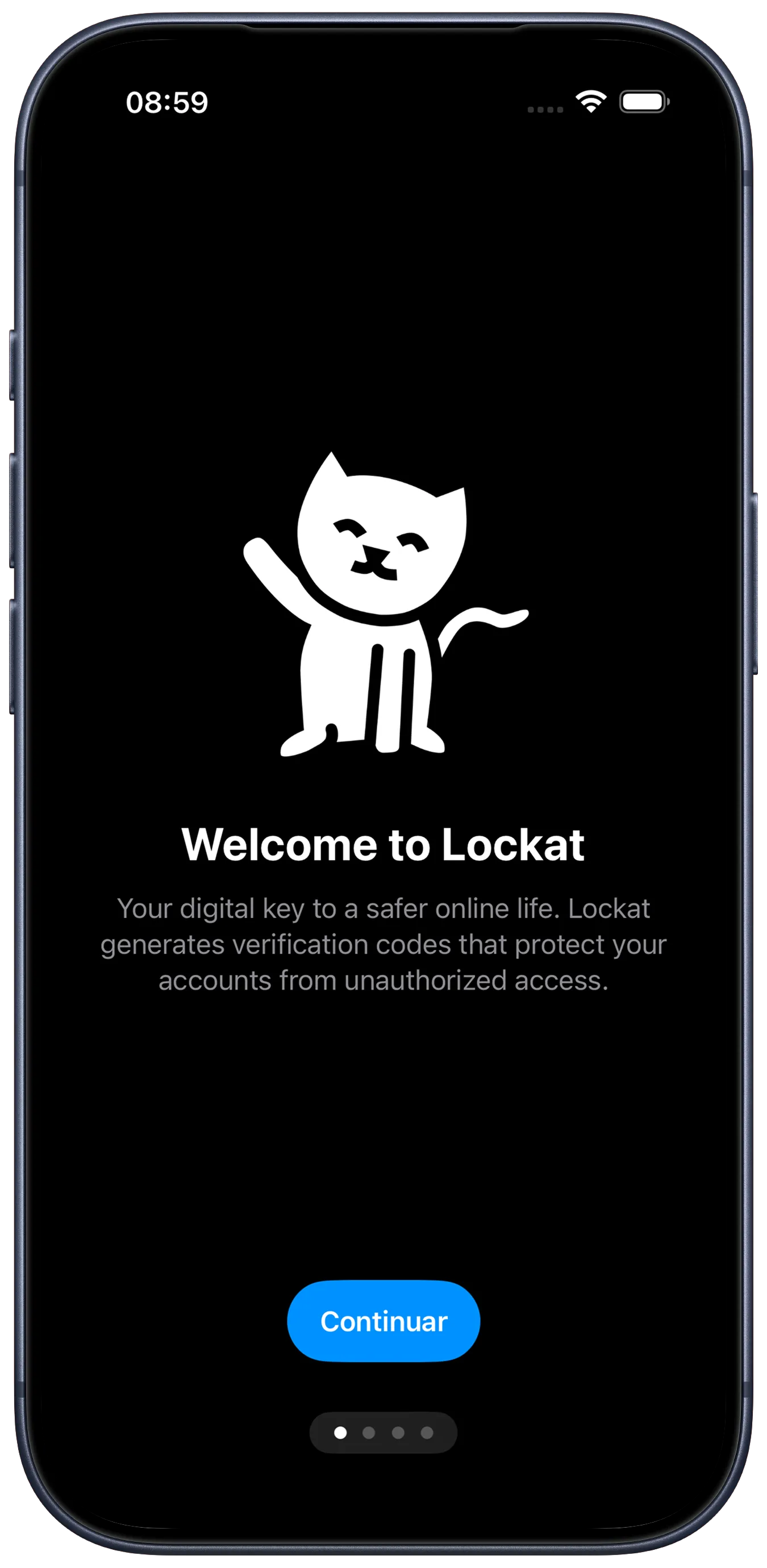
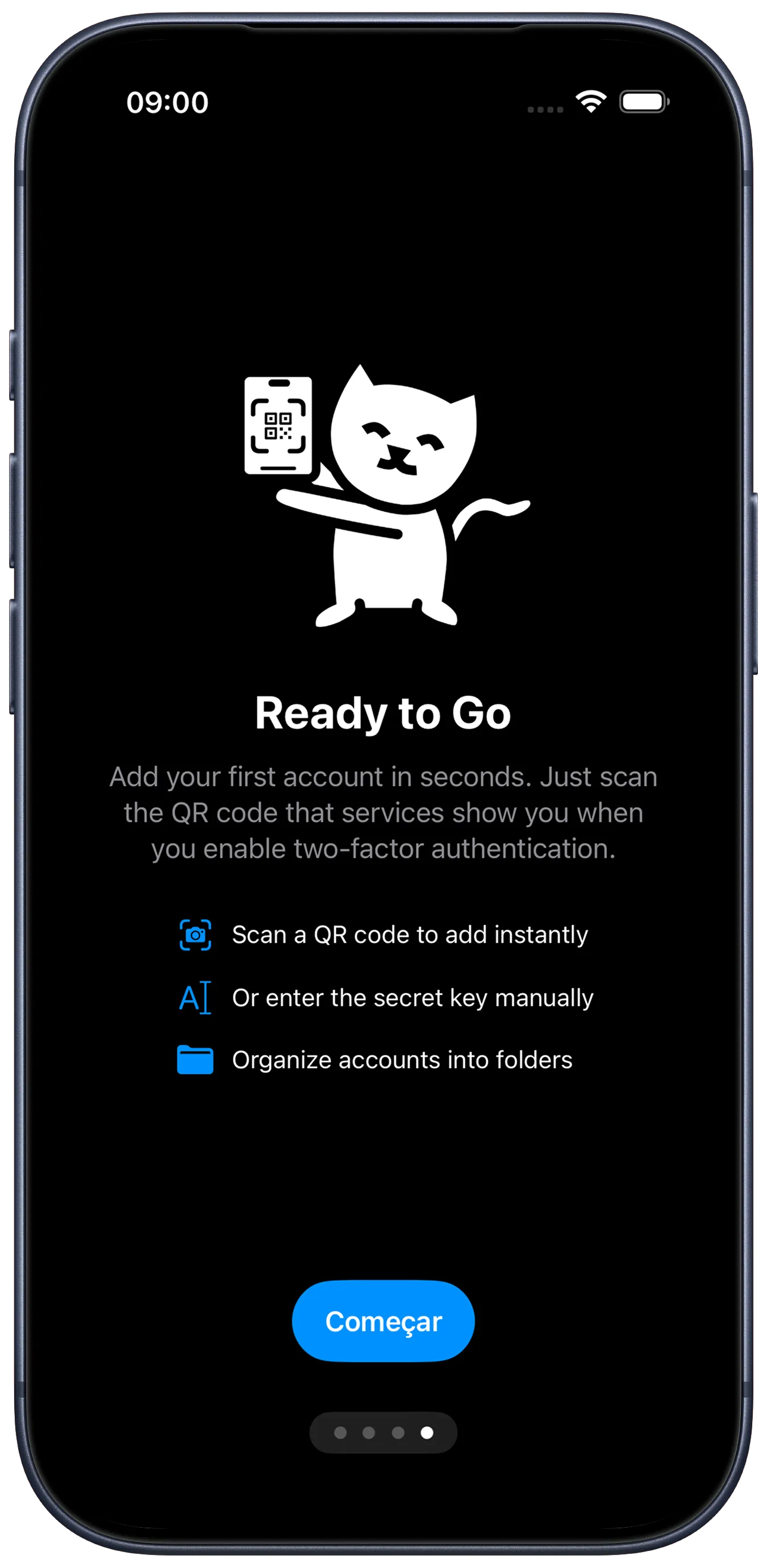
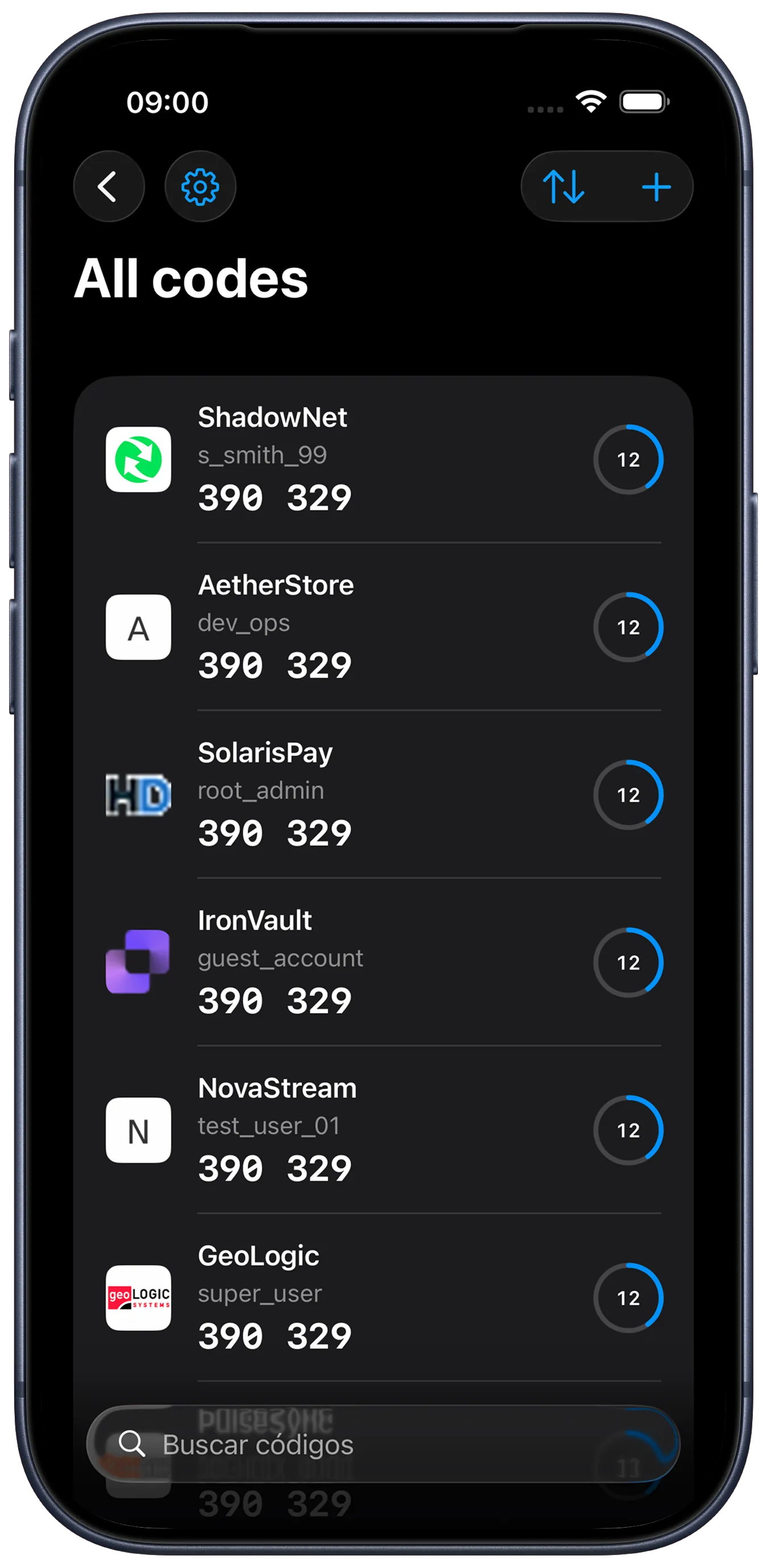
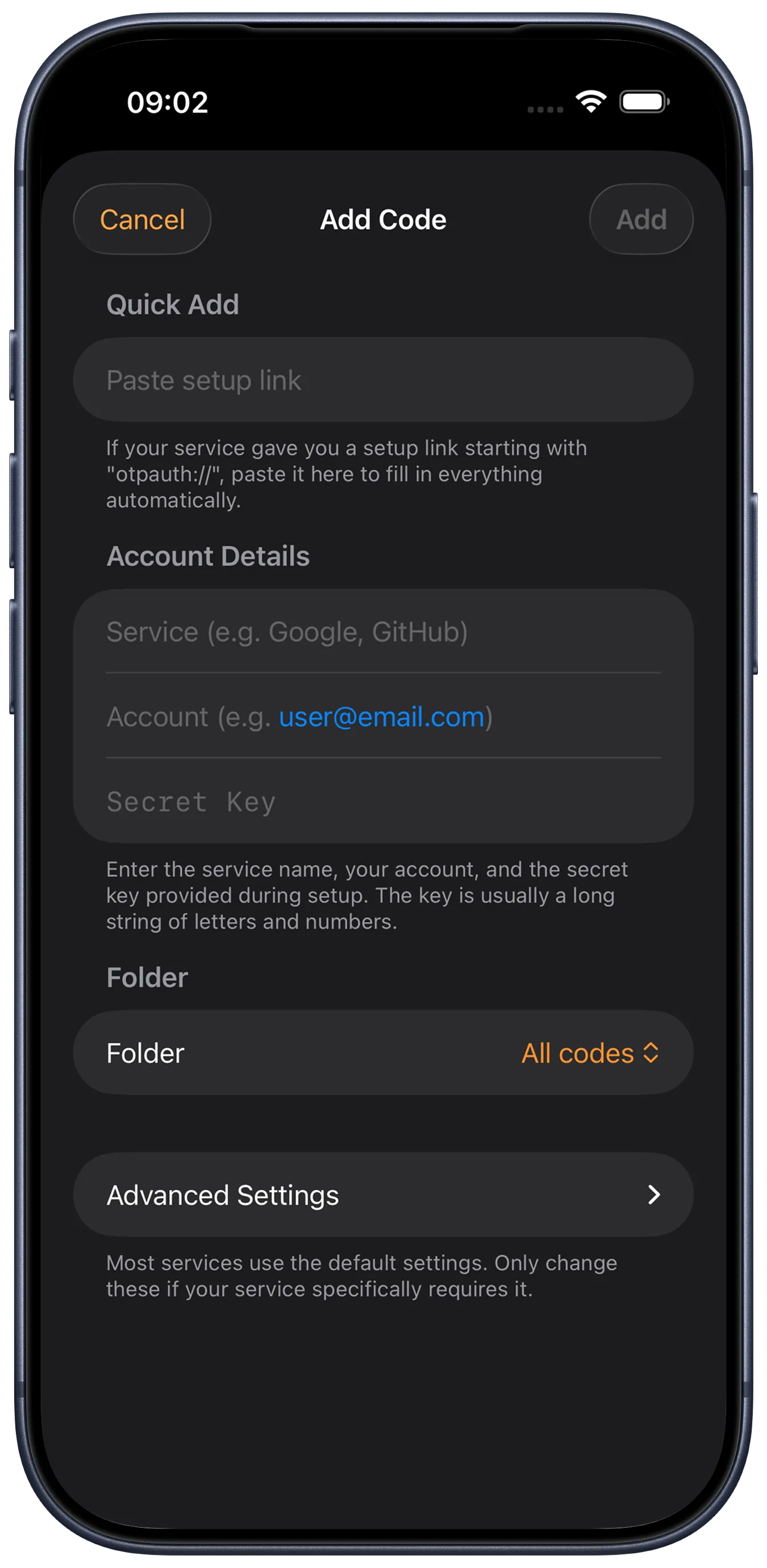
Lockat is a privacy-firsttwo-factor authentication app for iOS, born out of a challenge at the Apple Developer Academy: take an idea from zero and ship it as a real product on the App Store. We landed on 2FA after a round of competitor research that turned up something surprising: most of the existing apps felt half-finished, missing simple quality-of-life touches like A–Z sorting or folder organization. That gap looked like a good place to plant a flag.
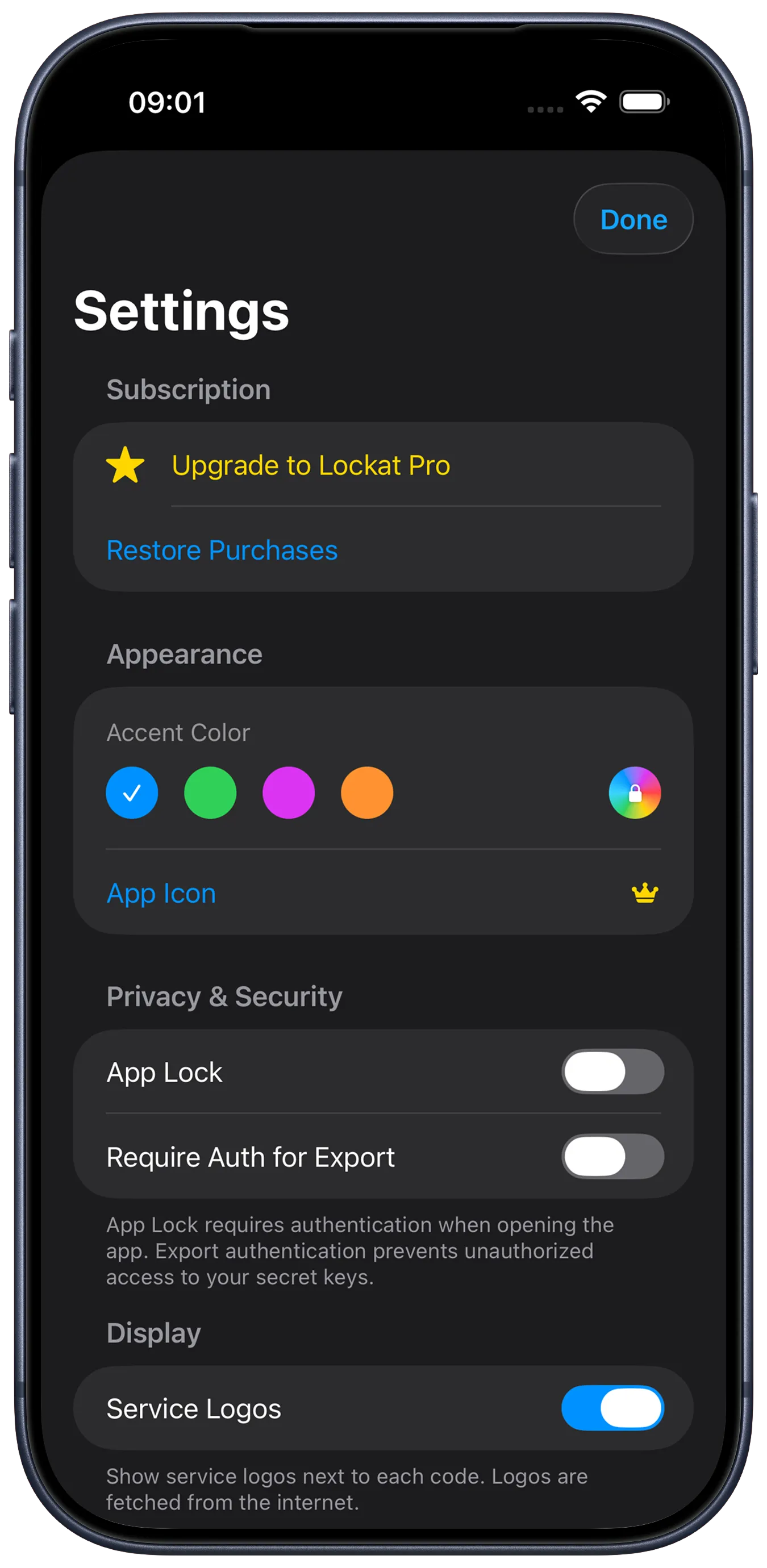
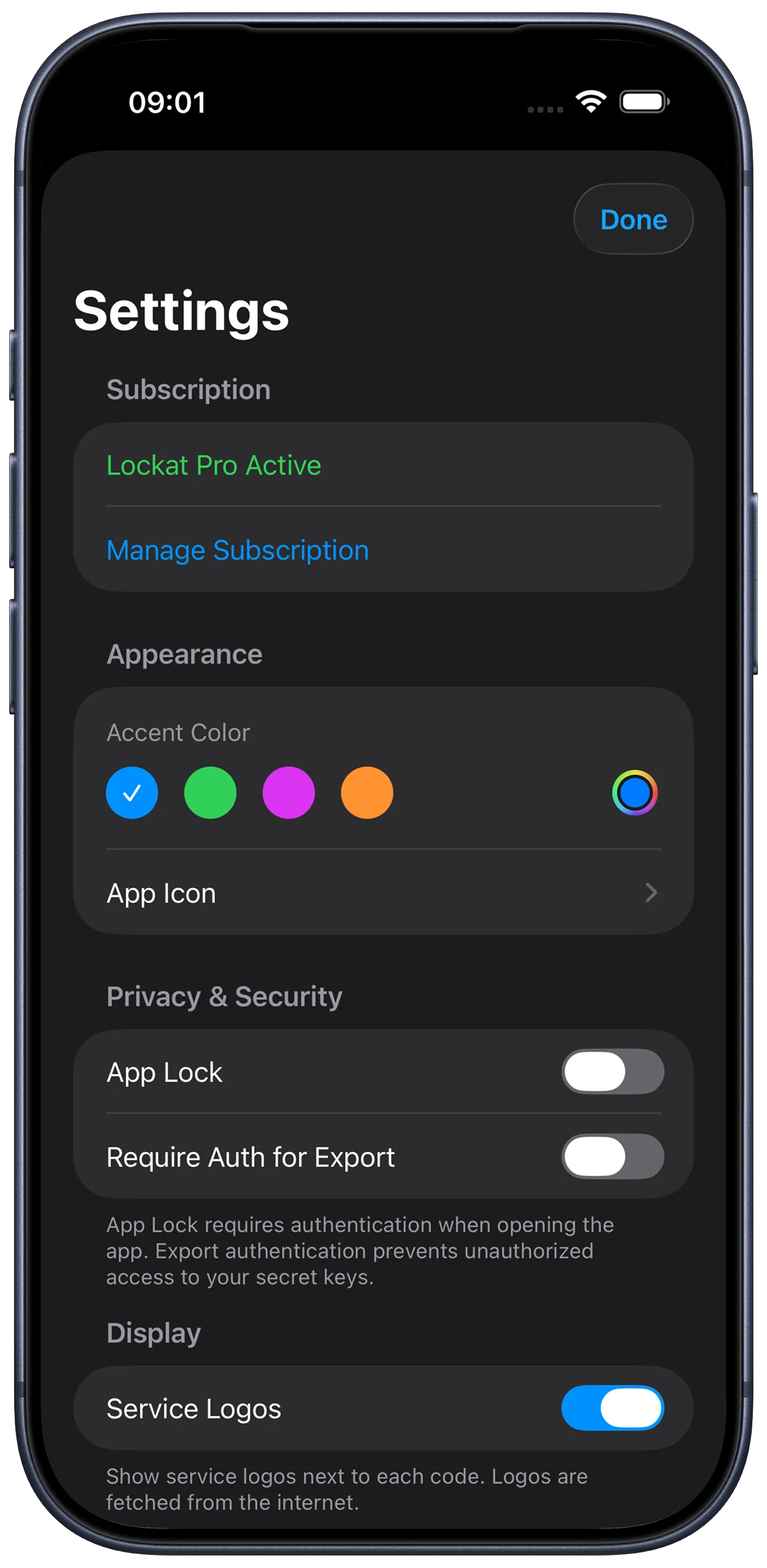
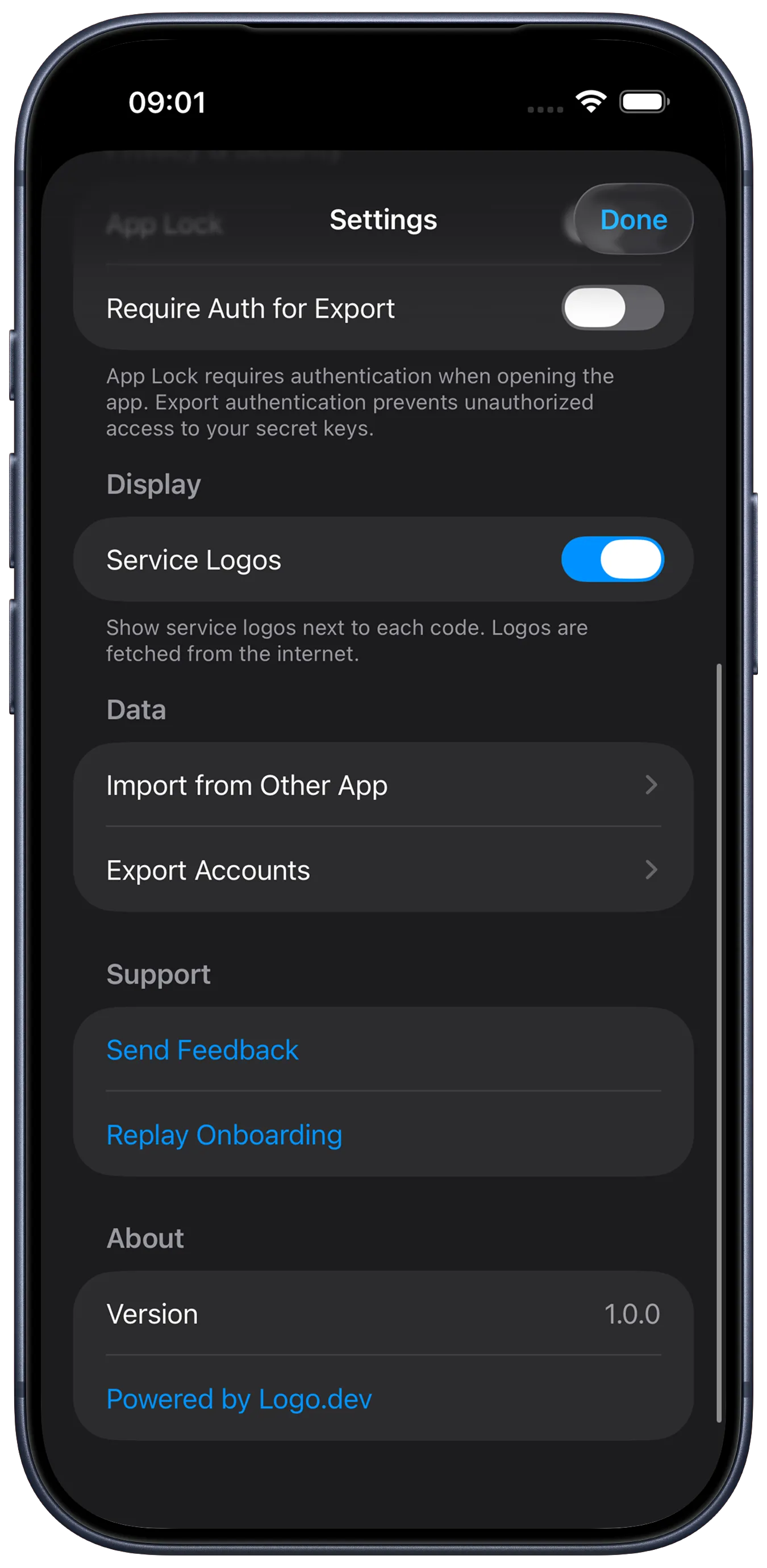
The product strategy followed from there. We kept everything that matters for staying safe, including code generation, importing, and exporting, completely free and fully functional. We reserved the more advanced organization and customization features for a subscription tier. The reasoning was straightforward: nobody should have to pay to protect their accounts, but people who wanted a more considered tool would have something worth paying for.
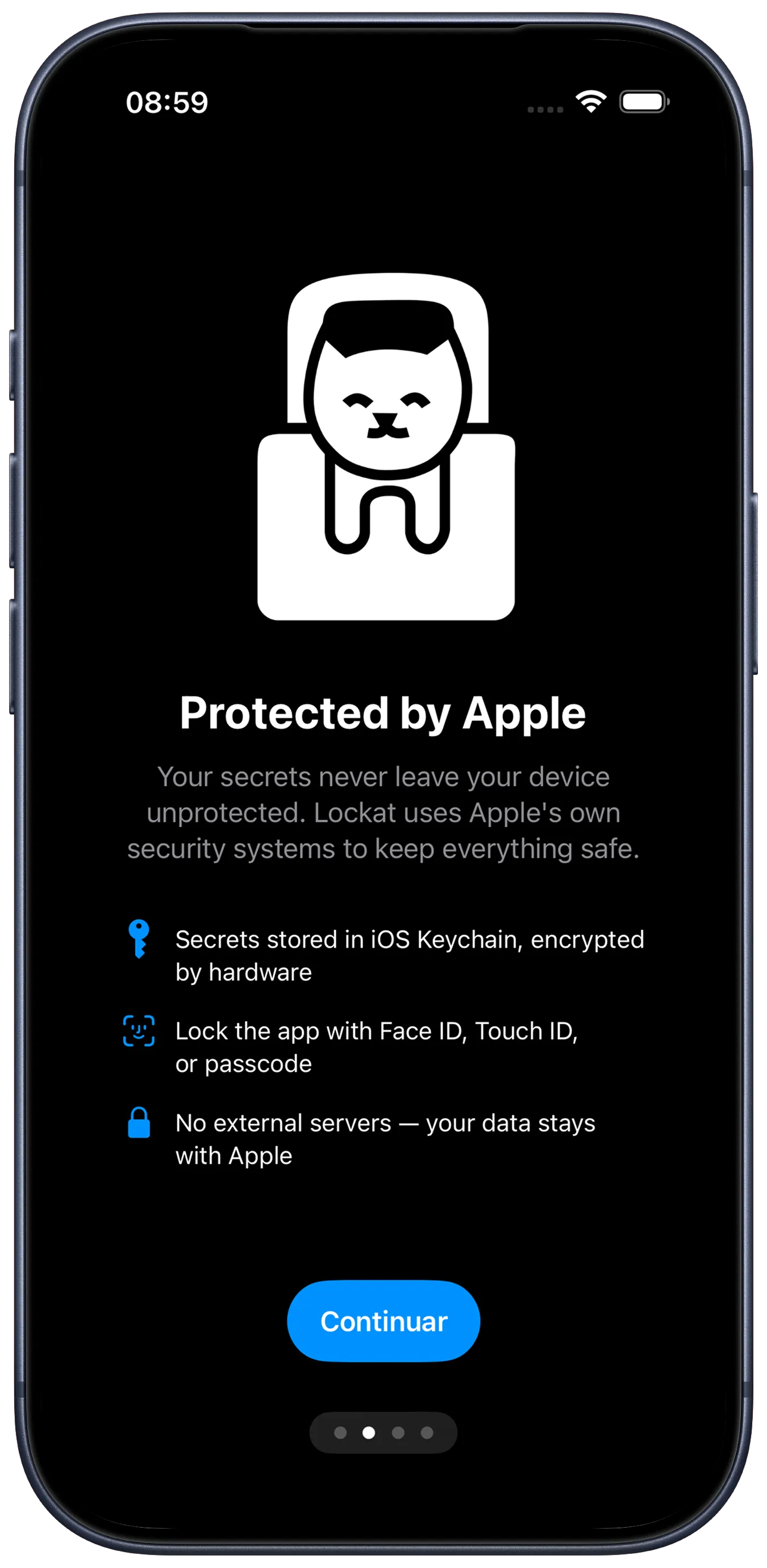
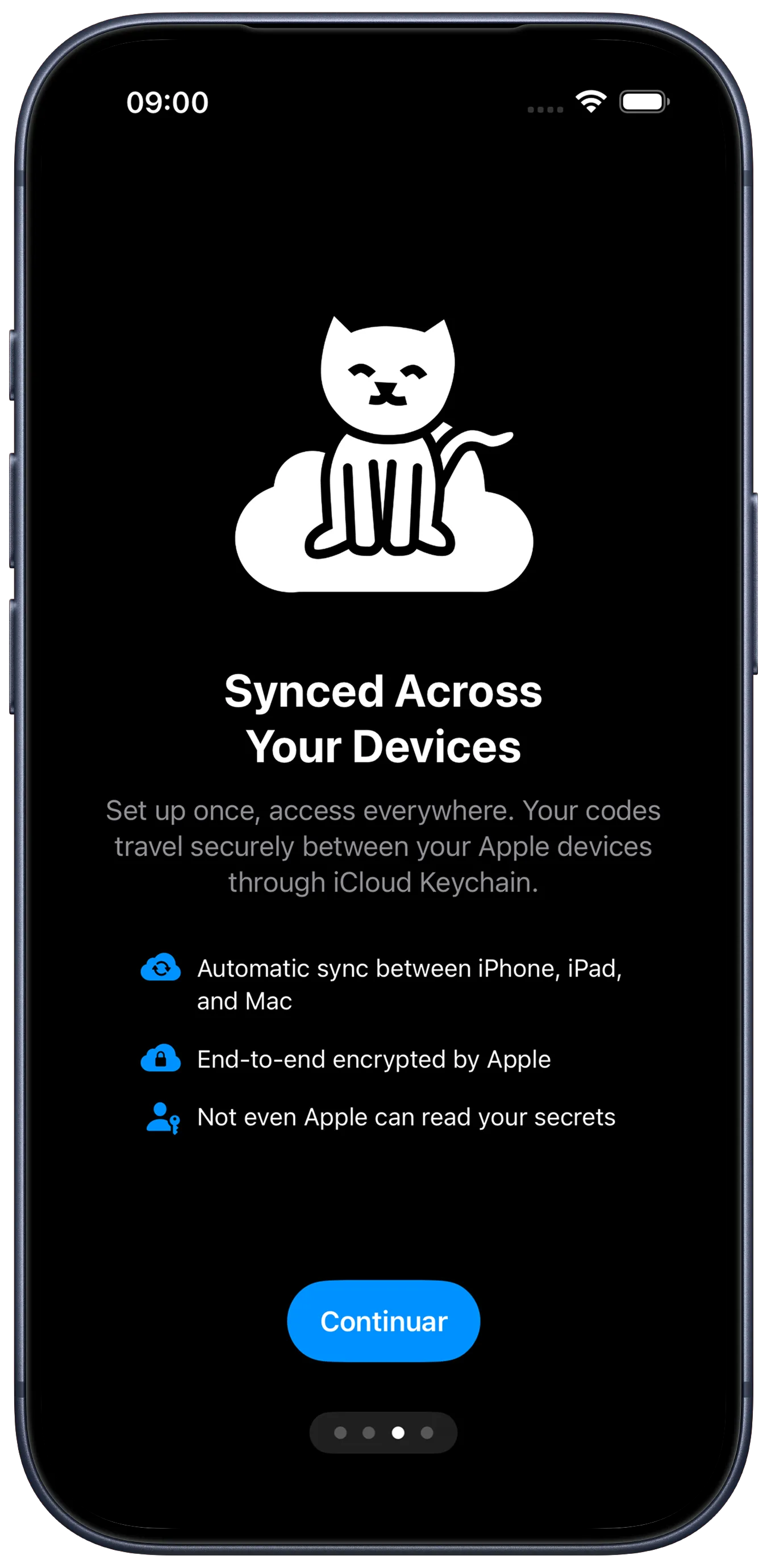
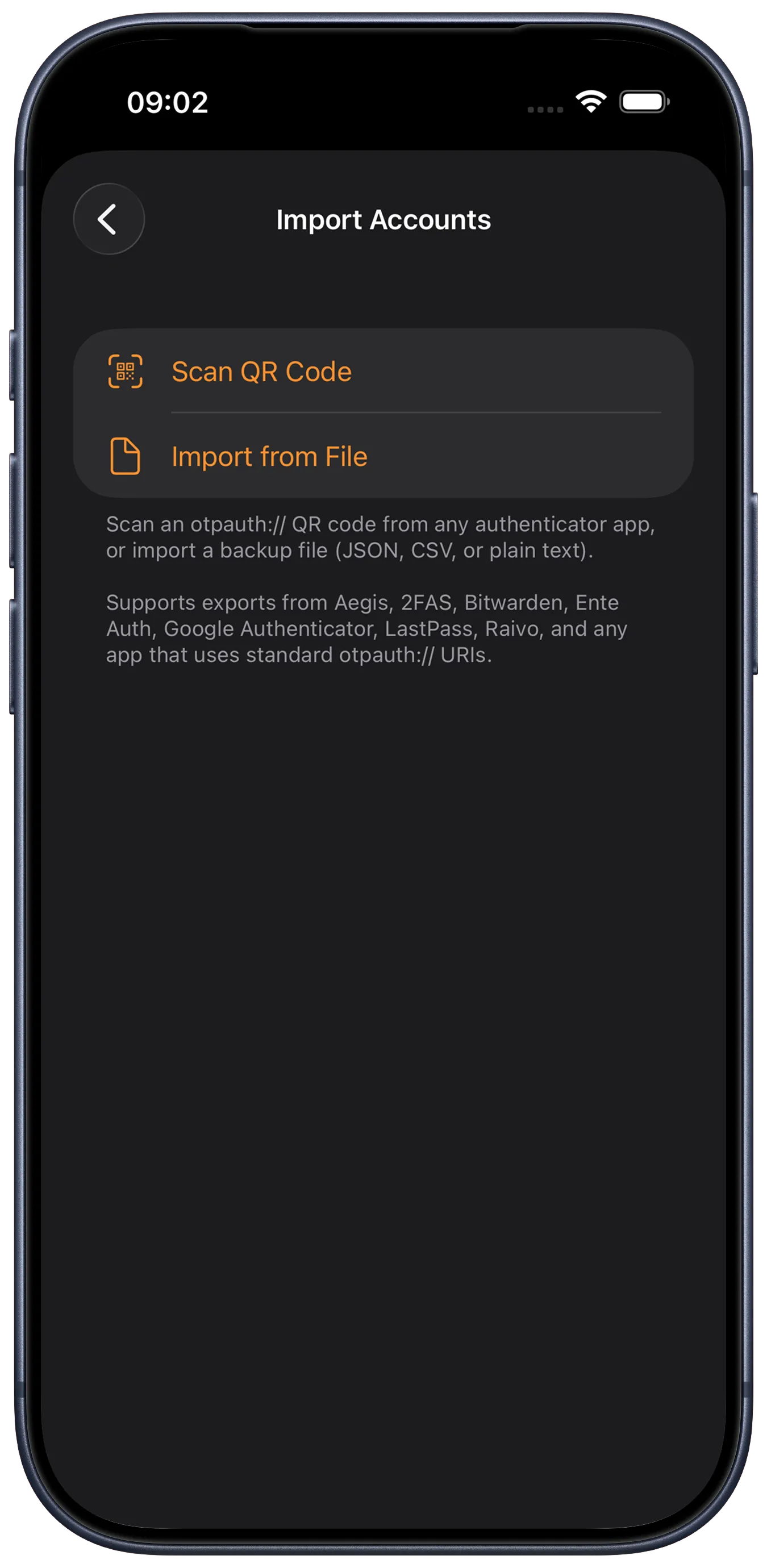
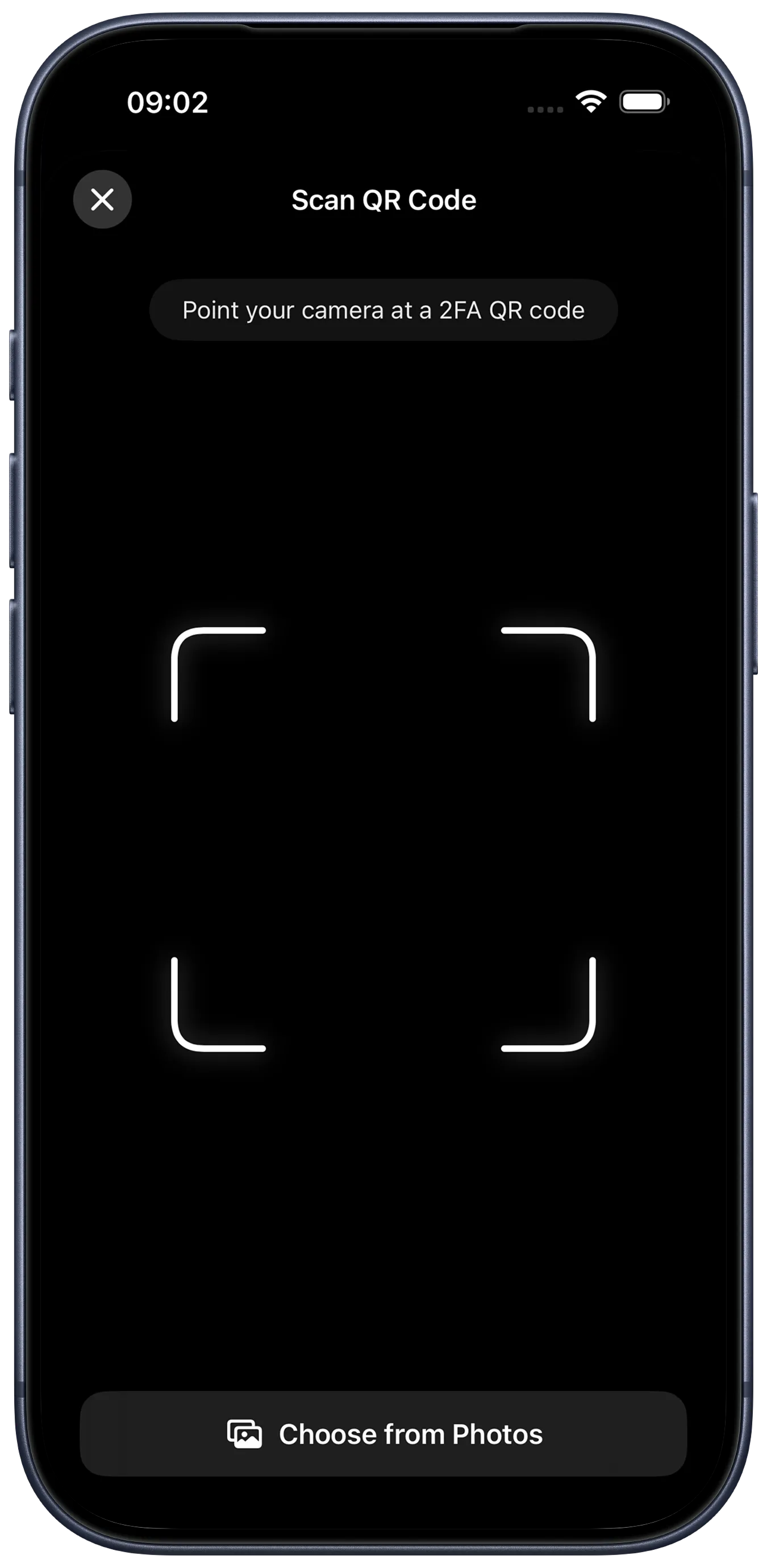
Under the hood, secrets live on-device in the iOS Keychain, guarded by Apple's hardware-level encryption, while non-sensitive metadata syncs through iCloud so codes follow you across iPhone, iPad, and Mac. The Mac version ships through 'Designed for iPad' mode, which let a small team cover three platforms from a single SwiftUI codebase without losing the native feel. Face ID, Touch ID, and passcode locking are wired in through LocalAuthentication, and the TOTP generator itself is a clean, RFC 6238–compliant implementation on top of CryptoKit. There's also a one-tap migration path from Google Authenticator, which turned out to be the single feature that mattered most during onboarding.
Commercially, Lockat didn't take off. The 2FA category is dominated by free apps that users already trust. Breaking through that is hard, and it proved more difficult than we originally planned. What I take away from the project, though, is real: a hands-on understanding of Apple's security stack, the discipline of scoping a product down to what a small team can actually finish and ship, and a much sharper sense of the gap between a good idea on paper and something people will install over the app they already have. Those lessons are quietly running in the background of everything I've built since, and I think that's worth more than the launch numbers.
tech stack
SwiftUI
native UI framework
Keychain
secure secret storage
iCloud
metadata synchronization
CryptoKit
RFC 6238 compliant TOTP
code snippets
The core of Lockat is an RFC 6238 TOTP generator built on CryptoKit. The counter is derived from Unix time and HMAC'd with the user's secret. It's then truncated into a digit code according to the spec. Inputs are clamped to prevent issues with misbehaving time sources.
static func generateCode( secret: Data, algorithm: TOTPAlgorithm, digits: Int, period: Int, date: Date = .now) -> String { let safePeriod = max(1, period) let safeDigits = max(1, min(9, digits)) let timestamp = max(0, date.timeIntervalSince1970) let counter = UInt64(timestamp) / UInt64(safePeriod) var bigEndianCounter = counter.bigEndian let counterData = withUnsafeBytes(of: &bigEndianCounter) { Data($0) } let key = SymmetricKey(data: secret) let hmacBytes: [UInt8] switch algorithm { case .sha1: hmacBytes = Array(HMAC<Insecure.SHA1>.authenticationCode(for: counterData, using: key)) case .sha256: hmacBytes = Array(HMAC<SHA256>.authenticationCode(for: counterData, using: key)) case .sha512: hmacBytes = Array(HMAC<SHA512>.authenticationCode(for: counterData, using: key)) } guard hmacBytes.count >= 4, let last = hmacBytes.last else { return String(repeating: "0", count: safeDigits) } let offset = Int(last & 0x0F) guard offset + 3 < hmacBytes.count else { return String(repeating: "0", count: safeDigits) } let truncated: UInt32 = (UInt32(hmacBytes[offset] & 0x7F) << 24) | (UInt32(hmacBytes[offset + 1]) << 16) | (UInt32(hmacBytes[offset + 2]) << 8) | UInt32(hmacBytes[offset + 3]) var modulo: UInt32 = 1 for _ in 0..<safeDigits { modulo *= 10 } let code = truncated % modulo return String(format: "%0\(safeDigits)d", code)}
design choices
palette
system black#000000system blue#0A84FFsystem white#FFFFFF
typography
SF Pro/interface
Private, secure, and simple.
SF Mono/TOTP codes
482 913
some fonts used in this project are proprietary and may not display correctly if they are not installed on your system.
rationale
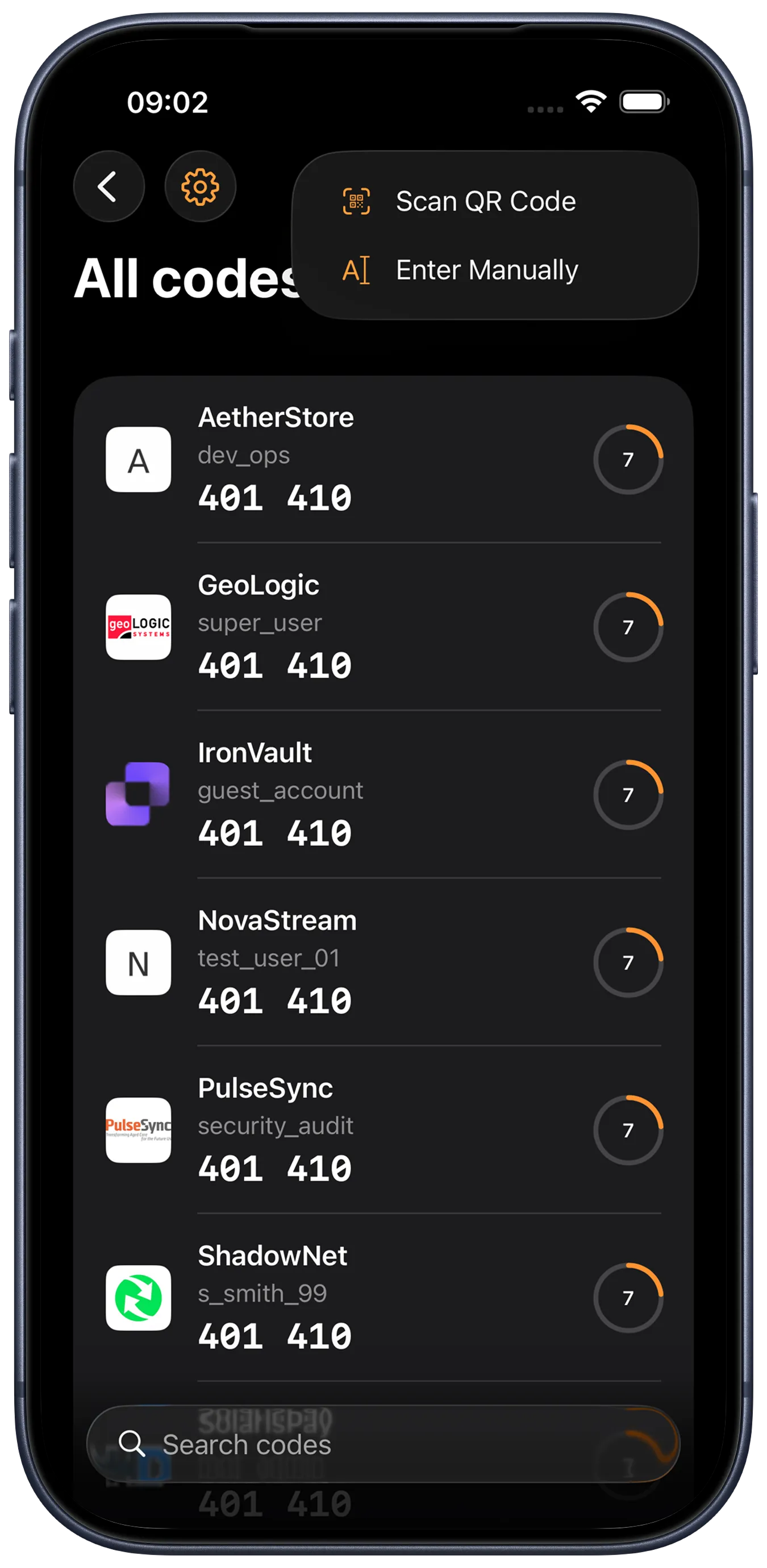
Lockat's design leans hard into Apple's Human Interface Guidelines, and that's a deliberate product decision rather than a shortcut. Most people reaching for a third-party 2FA app don't realize iOS already has a built-in authenticator, so I wanted Lockat to feel native. Switching from or using it alongside Apple's own solution should have zero cognitive cost. Standard navigation patterns, system materials, SF Pro, and a system-blue accent over fully native light and dark backgrounds make it read as a first-party tool from the first launch. The appearance follows system settings perfectly, avoiding the "half-finished" feel of many third-party apps.
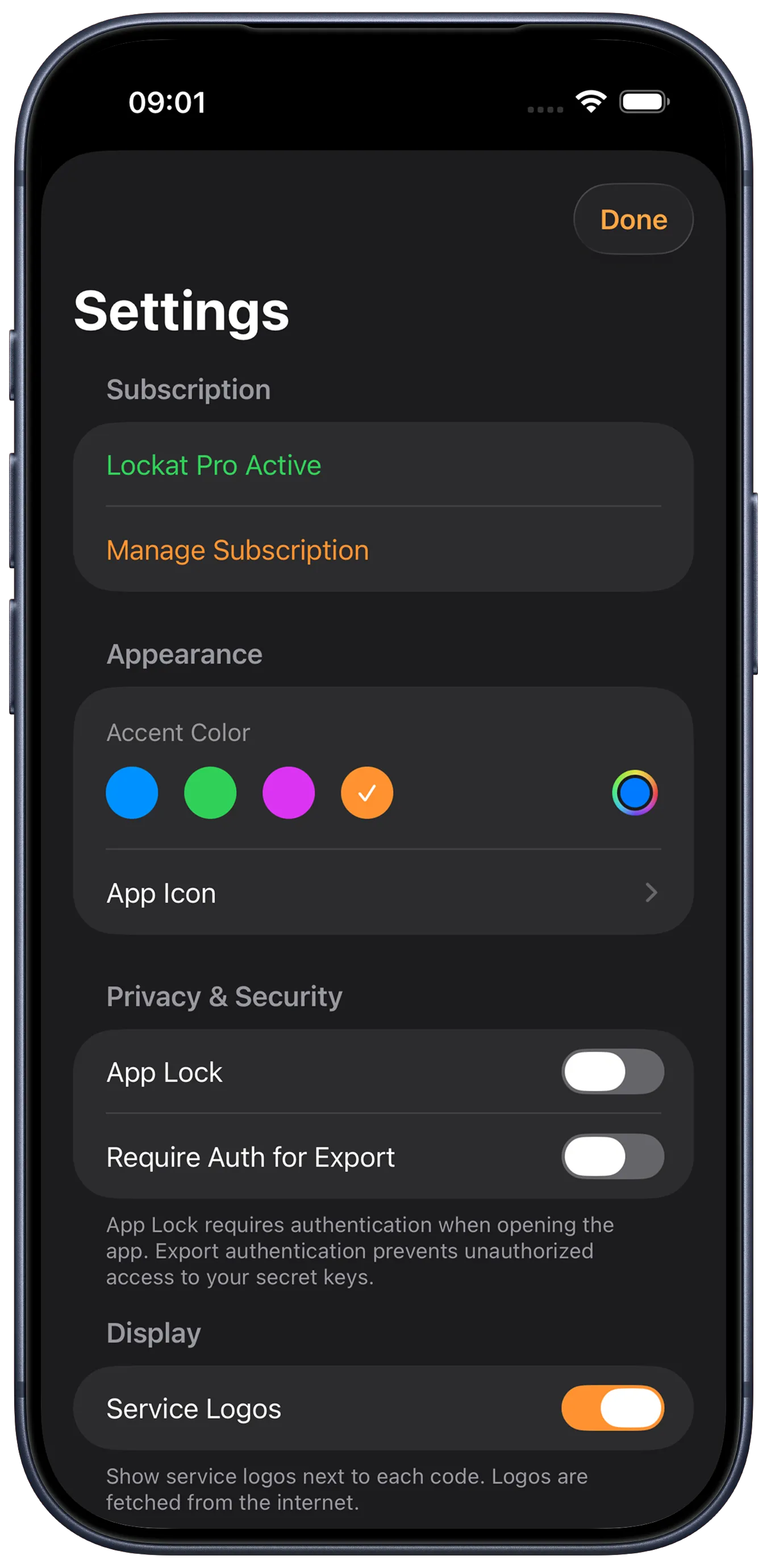
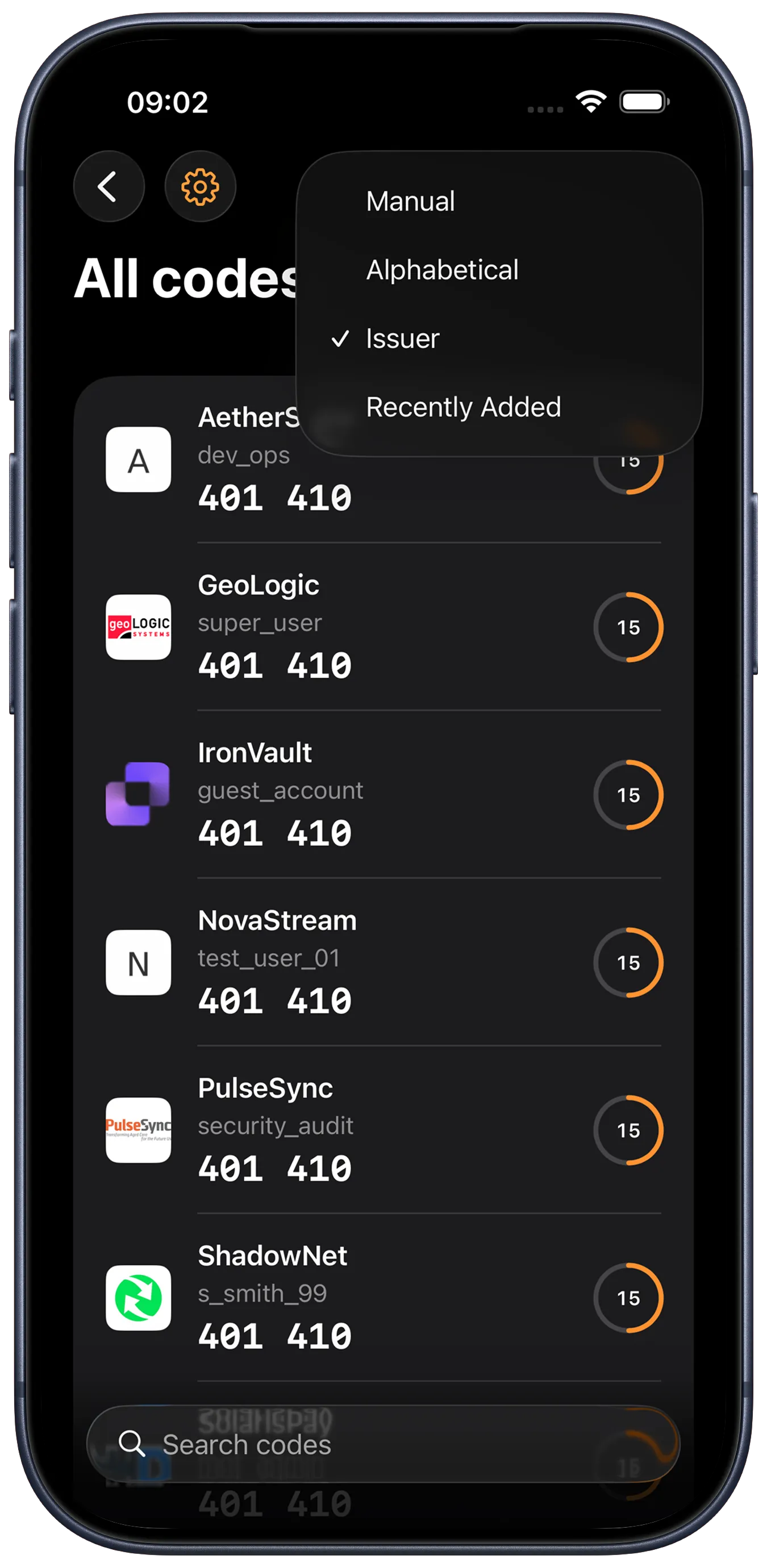
Within that native shell, the design earns its place by surfacing what competing apps leave out. Each entry can carry a free-form note, so a recovery code, a backup email, or a reminder about which phone number is tied to the account lives next to the TOTP itself. Codes can be grouped into folders for users with dozens of accounts to manage, and the interface's accent color is user-configurable, which helps the app feel personal rather than like a generic utility. The result is an interface that disappears into iOS until you need it, then quietly does more than the apps it's sitting next to.